
Sem categoria

Ritter Insider

O dia a dia da Propriedade Intelectual compartilhado com você.

Conhecimento, tendências e novidades do universo da Propriedade Intelectual nas palavras da nossa equipe.

It is well known that generative Artificial Intelligence (AI) has been gaining more and more space in all business sectors, especially in the advertising segment.

This is because the use of generative AI platforms such as DALL-E, Sora, Midjourney, among others, can significantly reduce the time and financial resources used for advertising creations.

On the other hand, the indiscriminate use of these platforms can bring significant legal and reputational risks that must be factored into the production of an advertisement that uses generative AI. To illustrate these risks, we can cite the well-known Brazilian agency DM9, which lost the award won in the “Creative” category, granted by the Cannes Lion, after it was discovered that AI-generated and manipulated content was used to simulate real events in the campaign.

In the field of intellectual property, there are numerous discussions about the use of generative AI, whether regarding the ownership of rights (who owns the rights to an AI-generated “work”?), authorship (who is the author of the AI-generated “work”? The individual who input the commands/prompts or the “machine”?) and potential infringements and copies of what was developed by the system.

At this point, there is a great deal of uncertainty about the application of copyright to content generated by AI, since there is no consensus on whether such content is protected by copyright, given that Brazil’s Copyright Law considers only a human to be an author.

Thus, the existence or not of authorship will always depend on the degree of human intervention in the creation process (if the AI is used only to assist the author and is not decisive in generating the content, it is possible to justify copyright protection). Moreover, if it is understood that the content is not protected by copyright, there will be no protection at all, allowing third parties (including competitors) to use identical or “inspired” campaigns, once again creating reputational risks for companies.

Therefore, beyond intellectual property, the concern with the risks involving the use of AI is growing in Brazil and is at the center of discussions even at the legislative level. Currently under discussion is Bill PL 2338/2023, authored by Senator Rodrigo Pacheco (PSD/MG), which aims, as described in Article 1, to protect fundamental rights, encourage responsible innovation and competitiveness, and ensure the implementation of safe and reliable systems.

To achieve this goal, the bill presents numerous principles, definitions, and risk categorizations related to the use of generative AI, which will be important to guide AI regulation in Brazil and follow an international trend in addressing the topic.

While legislative, doctrinal, and jurisprudential discussions are ongoing, it is important to highlight some precautions that should be applied to mitigate exposure to legal risks.

In this sense, especially in advertising campaigns, we recommend some best practices, including:

1. Use of prompts

Avoid using prompts (commands to generative AI) that may potentially infringe intellectual property or image rights.

Examples: prompts like “generate a song in the style of the band KISS”; “generate an image of a person who looks like Chico Buarque”; “generate a video in the style of the series The Last of Us,” etc.

2. Document the prompts used

When creating a campaign using generative AI, it is important to document the prompts used on all generative AI platforms. This is because, in the event of a legal action, it may be possible to demonstrate good faith and, if the requirements are met, the possibility of authorship.

Considering that there is no consensus on authorship and ownership, it is recommended to record the entire step-by-step process of human and non-human intervention in notarial records or digital evidence registration tools.

3. Sensitive information

Avoid including sensitive data on the generative AI platform such as:

– Personal data (CPF, full name, etc.)

– Trade secrets (internal and confidential company data)

– Images and videos of people without proper authorization

Such data may be used by the AI for learning/training and may appear in responses to third parties.

4. Review terms and conditions of generative AI platforms

The terms and conditions of the platforms (documents that outline the rules of use) may often prohibit the commercial use of the result generated by AI. Therefore, it is necessary to carefully review the terms and conditions to understand all applicable rules and usage limitations.

5. Attention to contractual clauses with advertising agencies

If the campaign was carried out by an external agency, it is highly recommended to include contractual provisions such as the requirement to document the prompts used or even the prohibition of AI use.

Additionally, it is advisable to include clauses that seek to ensure compensation for damages caused to your company in the event of third-party rights violations by the advertising agency.

Finally, it is important to note that the basic contractual clause of assignment of economic copyright of the advertising campaign, common in this type of operation, may not be applicable, as there may be no copyright to assign.

6. Creation of internal best practices manuals for the use of generative AI

It is always advisable to create a best practices manual for the use of generative AI within the company. Such a manual will outline recommended uses and associated risks and can demonstrate good faith in case of legal disputes.

Questions about how to use generative AI responsibly and with less risk? Talk to the Ritter Advogados’ team.

¹ https://oglobo.globo.com/economia/negocios/noticia/2025/06/29/cannes-lion-tira-premio-da-agencia-dm9-por-uso-de-ia-em-campanha.ghtml

² https://www.camara.leg.br/proposicoesWeb/prop_mostrarintegra?codteor=2868197&filename=PL%202338/2023

Published by: Fernanda Tissot
Date: January, 15 2026


Não perca também

Ritter Insider

O dia a dia da Propriedade Intelectual compartilhado com você.

Conhecimento, tendências e novidades do universo da Propriedade Intelectual nas palavras da nossa equipe.

Article 43 of Law No. 9.279/1996, the Industrial Property Law (LPI), establishes exceptions to the patent holder’s exclusive rights and, in item III, authorizes the compounding of medications by compounding pharmacies, based on medical prescriptions, for individualized use.

This exception serves a legitimate and essential purpose: ensuring access to treatment when there are no industrialized alternatives suitable to the patient’s clinical needs. Without this possibility, many individuals would effectively be denied access to the medication—such as in cases where the patient is unable to swallow a pill available only in solid form or has allergies to excipients present in the industrial formulation, even though they do not react to the active ingredient.

In such cases, compounded adaptation—whether to alter the pharmaceutical form or to adjust non-essential components—is the only way to make the therapy viable. Thus, item III reaffirms the importance of individualized treatment, ensuring that legitimate medical needs are met without this constituting a violation of the rights granted by the patent.

However, a clear distortion of this exception is currently being observed.

The mechanism originally intended for individual cases is being used on a mass, commercial, standardized, and often indiscriminate scale—especially when it comes to the well-known weight-loss pens, such as Ozempic, Victoza, Mounjaro, among others. This abuse of the legal exception may pose risks to both industrial property rights and public health.

Within the scope of industrial property, Article 43, as it establishes exceptions to the patent holder’s rights, must be interpreted restrictively. Any broad interpretation compromises the fundamental balance between access to medicine and protection of innovation.

This restrictive interpretation of the law imposes clear limits on the compounding of medications: (i) there must be a medical prescription; (ii) this prescription must be individualized; and (iii) the compounding must be performed by a qualified professional. Only when these specific conditions are met is the use of the legal exception permitted¹.

In this sense, when compounding pharmacies begin producing patented medications in a standardized manner, with the same dosage and presentation, aiming at large-scale sales, this can no longer be considered an exception—it constitutes a patent infringement.

From a legal standpoint, when a patented drug is improperly compounded, the patent holder can—and should—take measures to stop the infringement. In practice, the first step is usually the individual extrajudicial notification of the involved pharmacies, informing them of the violation and demanding the immediate cessation of the irregular compounding.

Even though in some cases the multiplicity of infringers and the fragmented market may make extrajudicial notification seem ineffective, it remains the best immediate mechanism available before resorting to more complex and costly legal actions.

For this reason, it is essential that the patent holder is well advised, both strategically and preventively. Qualified legal counsel helps identify improper uses of the exception provided in Article 43, item III, and ensures broad and effective protection of patent rights—without disregarding the necessary balance between exclusivity and access to individualized treatment.

This abuse of the legal exception can also pose health risks that go far beyond the private legal sphere. Mass compounding, without proper control, without validated standardization, and often using raw materials of unverified origin, exposes consumers to real dangers.

This risk has already prompted a recent intervention by ANVISA. Faced with the uncontrolled market surrounding the so-called weight-loss pens, the Agency published TECHNICAL NOTE No. 200/2025/SEI/GIMED/GGFIS/DIRE4/ANVISA², harmonizing interpretations on the importation, compounding, and sanitary control of GLP-1 receptor agonist Active Pharmaceutical Ingredients (APIs). With this, it sought to curb unsafe practices and to standardize mandatory inspection criteria—going as far as significantly restricting the compounding of these APIs due to the lack of proof regarding their safety and efficacy.

The case of the weight-loss pens is a clear warning: without a restrictive interpretation and strong action by regulatory bodies, the exception intended for individual use risks becoming the norm.

Therefore, the exception under Article 43 of the LPI remains an essential tool to ensure access to individualized treatments. However, the misuse of this exception to justify large-scale compounding of patented medications creates a distortion that compromises consumer health and safety, the integrity of the industrial property system, and trust in the pharmaceutical market.

¹Reference to doctrinal understanding of Article 43, III of the LPI. INSTITUTO DANNEMANN SIEMSEN DE ESTUDOS JURÍDICOS E TÉCNICOS. Comentários à Lei de Propriedade Industrial. 3rd Edition.

²NATIONAL HEALTH SURVEILLANCE AGENCY (ANVISA). TECHNICAL NOTE No. 200/2025/SEI/GIMED/GGFIS/DIRE4/ANVISA.

Published by: Millena Ribatski
Date: December, 27 2025


Não perca também

Ritter Insider

O dia a dia da Propriedade Intelectual compartilhado com você.

Conhecimento, tendências e novidades do universo da Propriedade Intelectual nas palavras da nossa equipe.

Descriptive sufficiency is one of the pillars of the patent system and is an indispensable requirement for the validity of any patent application, as provided in Article 24 of Law No. 9.279/96 (Brazilian Industrial Property Law – LPI). This requirement establishes that the specification, a crucial part of a patent application, must describe the invention clearly and completely, so as to allow its reproduction by a person skilled in the art without undue effort. More than a formality, descriptive sufficiency expresses the essential counterpart of the patent system: the inventor obtains an “exclusive right,” while society receives accessible, comprehensive, and reproducible technical information—an essential condition to promote, for example, insights for other inventors on potential evolutionary developments based on the innovative technologies presented.

The patent is based on the principle of “disclosure,” that is, the disclosure of clear, precise, complete, and relevant information, where the inventor reveals technical knowledge in exchange for temporary “exclusivity.” Without descriptive sufficiency, this logic breaks down. An insufficient description creates exclusivity without a counterpart, preventing third parties from understanding, evaluating, creating technological evolution alternatives, or reproducing the invention after the protection period ends. Thus, the absence of descriptive sufficiency hinders technological knowledge from advancing and restricts social learning.

Moreover, patents do not serve only their holders; they also play a significant social role. Descriptive sufficiency transforms each patent into a high-value source of technical information, available to researchers, companies, universities, and public agents. Among its main social contributions, the democratization of technological knowledge stands out, given that the global patent database is the largest public repository of technology in the world.

In addition to the issues related to failures in the technological dissemination system, the lack of descriptive sufficiency can lead to various undesirable consequences, such as legal uncertainty, and loss of time, investment, and expectations for those involved (investors, partners, inventors, and patent holders)—from the drafting and filing of the patent application to the rejection of the application by the official patent office during technical examination, or even through an eventual administrative or judicial nullity of a patent that was improperly granted.

Descriptive sufficiency, therefore, is not merely a formal requirement: it is a central element for the validity, utility, and social function of patents, acting as a balancing mechanism between the private interest of the holder and the public interest in knowledge dissemination.

Thus, in a global scenario where innovation, technology, and information determine competitiveness, descriptive sufficiency keeps the patent system functional, transparent, and oriented toward promoting a healthy environment for technological development.

Published by: Luís Vieira
Date: December, 22 2025


Não perca também

Ritter Insider

O dia a dia da Propriedade Intelectual compartilhado com você.

Conhecimento, tendências e novidades do universo da Propriedade Intelectual nas palavras da nossa equipe.

The ownership of a trademark registered with the Brazilian PTO (INPI) can bring significant competitive advantages. Among these is the exclusive right to use the trademark throughout the national territory and the ability to prevent third parties from using identical or similar trademarks that may cause confusion among consumers.

In this regard, with the increasing digitalization of business and the offering of products and services online, trademark violations have also begun to occur in the digital world. It is not uncommon for owners of registered trademarks to come across unauthorized reproductions or imitations of their distinctive signs, which can even lead to customer diversion: a customer searching for a brand is suddenly impacted by a competing brand that was not the original subject of their online search.

Although the digital environment may seem like a “no man’s land,” it is important to emphasize that the Brazilian Internet Civil Rights Framework (Law No. 12,965/2014) establishes principles, safeguards, rights, and obligations for internet use in Brazil.

“Article 19¹ of the Internet Civil Rights Framework establishes that so-called ‘application providers that so-called “application providers” (for example, social networks, marketplaces, and search engines) are required to remove infringing content generated by third parties when there is a specific court order to do so, provided that such an order includes the identification of the content deemed to be infringing. In this sense, providers can only be held civilly liable for damages resulting from third-party content if, after a court order, they fail to take steps to make the infringing content unavailable.

The exception to the need for a court order applies to cases of copyright infringement and what is referred to as “revenge porn,” as highlighted in Article 21² of the Internet Civil Rights Framework (Law No. 12,965/2014).

The requirement of a court order for the removal of third-party content was included in the Internet Civil Rights Framework (Law No. 12,965/2014) in an effort to safeguard freedom of expression and prevent censorship on the internet. However, the article has faced much criticism, as the need for a court order to remove infringing content can harm rights holders, especially holders of industrial property assets, such as trademarks, given the slow pace of the judiciary.

In other words, it would not be enough to send an extrajudicial notice to a social network to have infringing trademark content removed. Instead, it would be necessary to file a lawsuit including, in the removal request, the URLs of the content that infringes the trademark. However, although the Internet Civil Rights Framework (Law No. 12,965/2014) addresses the potential liability of content providers after failure to comply with a specific court order, many providers act proactively, assisting in the protection of industrial property rights of those facing infringements on their platforms.

This is the case with social networks such as Facebook, which, although encouraging parties to resolve matters directly, offers a form for reporting trademark violations. In this form, the rights holder or their attorney must attach the trademark registration certificate and indicate the potentially infringing content. After receiving the report, Facebook may request additional information and then remove the content containing the violation, notifying the third party so that, if they wish, they may contact the complainant. This tool is also available for Facebook Marketplace.

The same applies to marketplaces such as Amazon (Amazon Brand Registry) and MercadoLivre (Brand Protection Program), which have intellectual property protection programs in place to remove infringing content, provided certain requirements are met.

Furthermore, search engines such as Google, especially Google Ads (a tool that enables the placement of ads on the platform), also offer tools for submitting trademark-related complaints through the Trademark Authorization Form.

Thus, the proactive mechanisms made available by application providers ensure faster removal of content that violates trademarks, safeguarding rights quickly and effectively, and thereby preventing the dilution and infringement of protected trademarks. Considering this market behavior and the many discussions around the restrictiveness of Article 19 regarding the requirement of a court action for the removal of infringing content, the matter reached the Brazilian Supreme Federal Court (STF) under Topic 987 (RE 1.037.396).

In June 2025, the STF ruled that platforms can be held directly liable for infringing content even without a prior court order, particularly in cases involving nudity or pornography without consent.

The STF’s decision, published in November 2025, extended the application of the procedure known as “notice and take down” to illicit content beyond non-consensual nudity.

This interpretation of Article 19 reduces bureaucracy, time, and cost for the rights holders taking action against infringements, representing a major step forward on the matter, considering the harm that delays in removing illicit content can cause.

¹Article 19. With the aim of ensuring freedom of expression and preventing censorship, an internet application provider may only be held civilly liable for damages arising from third-party content if, after a specific court order, it does not take action, within the scope and technical limits of its service and within the given timeframe, to make the identified infringing content unavailable, subject to legal provisions to the contrary.

§1. The court order referred to in the caput must contain, under penalty of nullity, a clear and specific identification of the allegedly infringing content that allows for its unequivocal location.

²Article 21. An internet application provider that makes third-party content available shall be subsidiarily liable for violations of privacy resulting from the disclosure, without the authorization of the participants, of images, videos, or other materials containing scenes of nudity or sexual acts of a private nature, when, after receiving notification from the participant or their legal representative, it fails to promptly make such content unavailable, within the scope and technical limits of its service.

Sole Paragraph. The notification referred to in the caput must contain, under penalty of nullity, elements that allow for the specific identification of the material alleged to violate the participant’s privacy and verification of the legitimacy to submit the request.

Published by: Fernanda Tissot
Date: July, 20 2020
Updated on: November, 19 2025


Não perca também

Ritter Insider

O dia a dia da Propriedade Intelectual compartilhado com você.

Conhecimento, tendências e novidades do universo da Propriedade Intelectual nas palavras da nossa equipe.

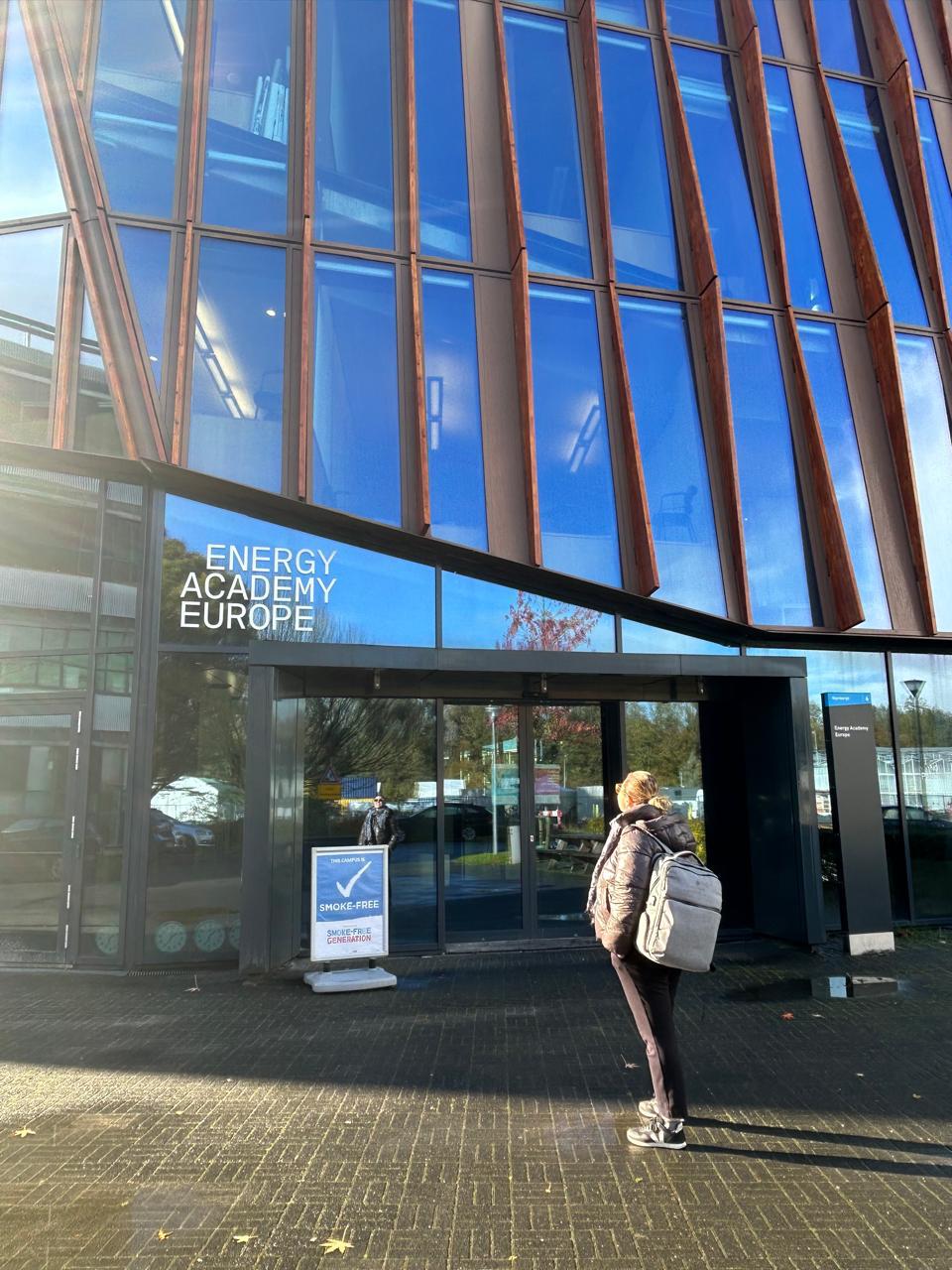
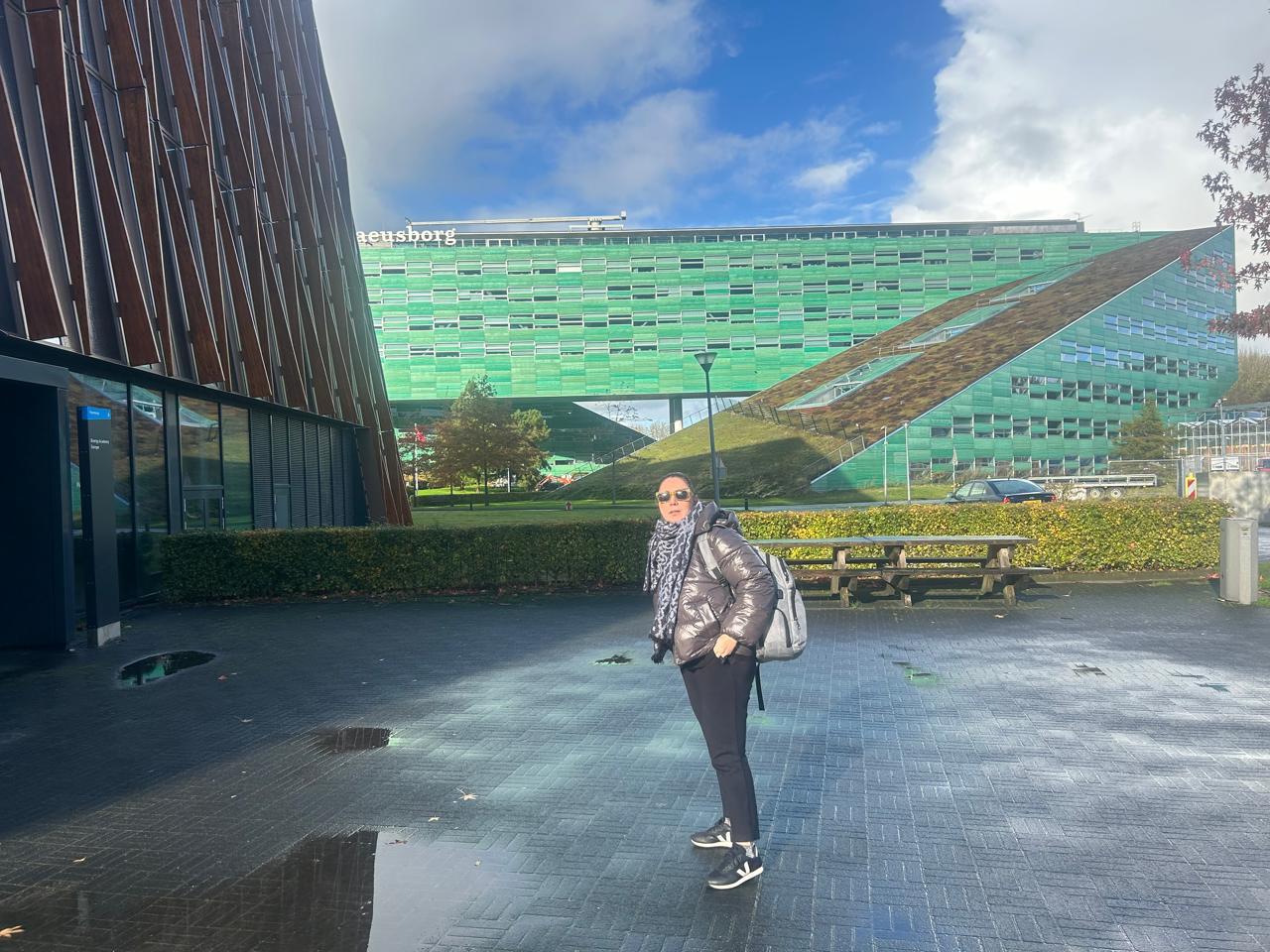
Energy transition is no longer a matter of the future, but a global reality. And to be at the forefront of this topic, our consulting attorney, Cassiara, is in the Netherlands for a unique immersion at Energy Academy Europe.

The goal is to bring this global and up-to-date perspective directly into our daily work, enriching the advice we offer our clients in this area so that we are better prepared for the new legal and business challenges and opportunities that this new energy era brings.

EAE is an international center of excellence, the result of a partnership between the University of Groningen and Hanze University of Applied Sciences, with the clear purpose of accelerating the transition to a sustainable future.

Here, innovation, research, and practical knowledge come together, and Cassiara is immersed in this ecosystem to absorb the latest trends and solutions in sustainable energy.


Publicado por: Ritter Advogados
Data: November, 12 2025


Não perca também

Ritter Insider

O dia a dia da Propriedade Intelectual compartilhado com você.

Conhecimento, tendências e novidades do universo da Propriedade Intelectual nas palavras da nossa equipe.

The 2026 FIFA World Cup is approaching, and with it comes a new wave of advertising campaigns inspired by the biggest sporting event on the planet. For brands, it represents an opportunity for massive visibility—but also for significant legal exposure, especially concerning so-called ambush marketing.

This topic is not new, but it gains relevance with each edition of the tournament due to the strict stance taken by the Fédération Internationale de Football Association (FIFA) in protecting its intellectual property assets and preserving the commercial exclusivity granted to its official sponsors.

What is ambush marketing?

Ambush marketing occurs when a brand attempts to associate itself with a major event without having official authorization or affiliation with its organizers.

This practice can take various forms, and Brazilian legislation recognizes two main types: by association and by intrusion.

Both aim to gain undue advertising advantage, but they differ in how they are executed—one by attempting to create a symbolic link with the event, and the other by directly exposing brands at official venues without permission.

▪️Ambush Marketing by Association

This occurs when a brand seeks to associate itself—directly or indirectly—with an event or its official symbols without the organizer’s authorization, in this case, FIFA, with the aim of obtaining economic or advertising gain.

This practice misleads the public into believing that the product or service is an official sponsor, supporter, or is endorsed by the event, even without a legitimate link.

Example: campaigns that use trademarks, logos, phrases, colors, slogans, or images that reference the World Cup, suggesting a nonexistent institutional relationship.

▪️Ambush Marketing by Intrusion

This involves the unauthorized promotion of brands or products in official event locations, aiming to attract the attention of the attending audience or broadcast viewers.

The violation occurs when there is an attempt to exploit the physical environment of the competition to gain visibility or an improper association, without any contract or permission.

Example: distribution of promotional items, display of brand-associated images or colors in promotional actions inside stadiums and controlled-access areas, without FIFA’s authorization.

In both cases, there is potential violation of intellectual property rights, as well as infringement of unfair competition and false advertising laws.

FIFA’s asset protection: tight defense

FIFA maintains an extensive portfolio of registered trademarks:

– the name “FIFA World Cup” and its linguistic variations;

– the official tournament logos and emblems;

– the World Cup trophy depiction;

– each edition’s slogans and mascots; and

expressions associated with the event, such as “Copa do Mundo” or “World Cup”.

These distinctive signs are registered and monitored internationally, and unauthorized use in advertising campaigns, products, or promotional actions may result in cease-and-desist letters, legal action, and even immediate suspension orders for campaigns or recall of products that improperly use FIFA’s assets.

Landmark cases: when the dribble becomes a foul

One of the first known ambush marketing cases occurred during the 1970 World Cup, when Pelé stopped at midfield to tie his shoelaces—at which point the cameraman zoomed in on the player. It was later revealed this was part of a marketing stunt by Puma, without official authorization from the event.


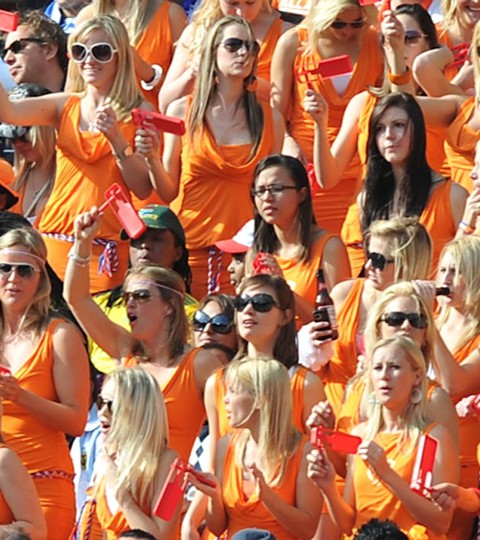
Decades later, in 2010, the brewery Bavaria orchestrated the entrance of dozens of female fans dressed in the brand’s colors during a World Cup match in South Africa. This was deemed an improper association with the tournament, as Budweiser—identified by the color red—was the official sponsor and held exclusive rights in the beverage category.


On the other hand, there are examples of so-called moment marketing that show how it’s possible to join the World Cup excitement without violating rights.

Moment marketing: fair play

Moment marketing is the safe alternative for brands that want to take advantage of the excitement generated by the World Cup.

It is based on three pillars:

– Context, not association: tapping into the cultural and emotional environment of the event, without suggesting institutional affiliation;

– Authentic creativity that highlights the brand’s own identity;

– Legal compliance, with prior review of campaigns and advertisements.

This strategy allows brands to legitimately engage with the event atmosphere while respecting legal boundaries and third-party rights.

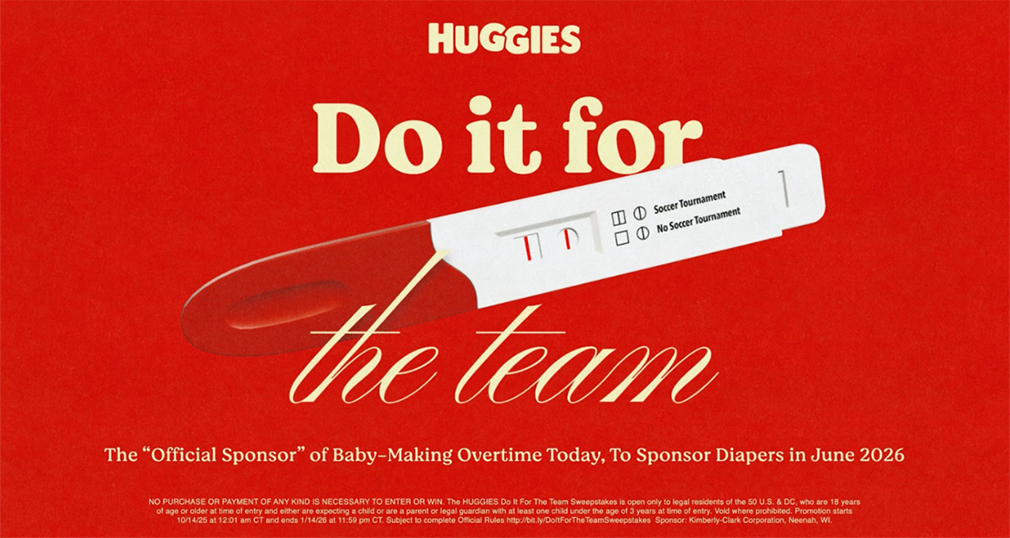
For 2026, for example, Huggies launched a brilliant campaign: the diaper brand suggests that fans use the tournament excitement as an opportunity to “add one more player to the team,” and thus, nine months later, they can raise the greatest trophy of all—paternity leave during the matches.

A creative and legitimate action, without using any FIFA symbol or trademark.


Final whistle

The World Cup is one of the world’s largest stages for commercial visibility—but also one of the most legally regulated.

With the ramp-up of campaigns related to the 2026 tournament, it is essential that companies and agencies operate with strategic planning and legal support, ensuring that their communication complies with intellectual property, competition, and advertising regulations.

Published by: Filipe Monteiro
Date: November, 03 2025


Não perca também

Ritter Insider

O dia a dia da Propriedade Intelectual compartilhado com você.

Conhecimento, tendências e novidades do universo da Propriedade Intelectual nas palavras da nossa equipe.

As of August 7, 2025, the Brazilian National Institute of Industrial Property (“INPI”) will make made available the new Trademark Fast-Track Service, aimed at expediting the examination of applications and petitions related to trademark registrations. This measure is part of the INPI 2025 Action Plan and seeks to contribute to strengthening the innovation ecosystem and to the country’s sustainable economic growth.

The new procedure will allow certain trademark applications to be processed more quickly, either due to legal provisions or their strategic relevance to public policies. The request may be submitted by the applicant or by an appointed attorney, and it will be necessary to complete the corresponding form, submit supporting documentation, and, when applicable, pay the specific fee. In cases of co-ownership, all applicants must comply with the required conditions.

INPI has established two distinct modalities for requesting fast-track examination:

1. Legal Priority (free of charge, with no quota limits):

Exempt from fee payment and eligible to request fast-track examination are:

• Individuals aged 60 or older;

• Persons with disabilities;

• Persons affected by serious illness;

• Companies registered under the Inova Simples regime.

2. Strategic Priority (subject to fee and quota limits):

In the situations below, a fee of R$ 890.00 will be charged, and the number of available quotas will be limited:

• Applicants who have filed an opposition based on prior rights;

• Applicants who require registration for the release of public funds;

• Parties involved in judicial proceedings related to the trademark;

• Applications linked to products or services covered by patents under fast-track examination;

• Scientific, Technological and Innovation Institutions (ICTs);

• Participants in INPI mentorship programs through a Technical Cooperation Agreement (ACT);

• Cases of public interest or national emergency.

The implementation of the Trademark Fast-Track represents significant progress for the Brazilian trademark system, as it provides greater speed and predictability to procedures, especially benefiting those with urgent or strategic needs.

This measure also reflects the adaptation of the Brazilian trademark system to contemporary challenges, particularly regarding innovation, competitiveness, and sustainable development.

Companies, institutions, and trademark holders should remain attentive to eligibility criteria, deadlines, and the required documentation to ensure the effective use of this new and important mechanism.

Ritter Advogados’ team is available to guide interested parties regarding the feasibility of requesting fast-track examination, as well as to act in all stages of the trademark registration process before the INPI – Brazilian PTO.

Publicado por: Ritter Advogados
Data: Setembro, 12 2025


Não perca também